Story and Motivation
Like many freshman efforts, the story I’m telling through Home is a Foreign Place comes from my own life story. I grew up as a foreigner, I married into a different culture, and I’ve settled as a professional creative in a pocket of the world that worships engineering.
I hold these experiences as beautiful and sacred. And, as anyone whose identity has been shaped by multiple cultures or from being the “only” in rooms can attest, sometimes these experiences are also isolating.
This juxtaposition – of sometimes being an outsider looking in, at other times being an insider looking out – is the feeling I wanted to capture in the first Glenwood product. I wanted to make something for the people whose answer to the question “where are you from?” depends on the context. My hope is that anyone who wears these pieces will feel known.
Behind the Collection
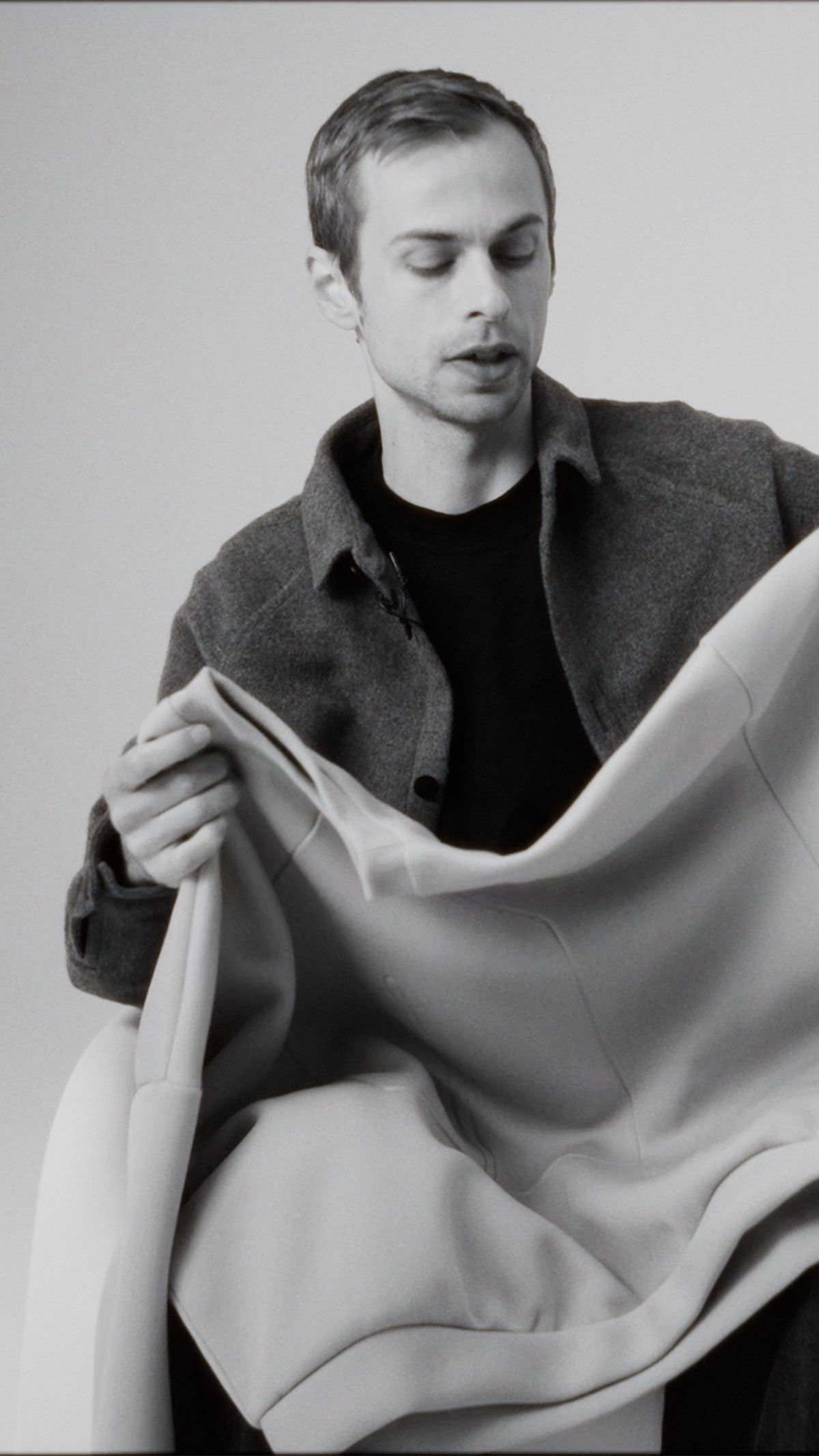
feat. Uzo Mgbahurike
Behind the Collection
feat. Uzo Mgbahurike
Research and Inspiration
My process always starts with words. Since founding Glenwood in 2024 – before I knew exactly what this collection would become – I’d been exploring the concept through various phrases like “for the foreigners.” While I was still on the periphery of the idea, I knew the concept of “foreigner” would be critical in finding inspiration.
My research led me to Zarina (1937–2020), an Indian born artist who was displaced by the partition as a child. As a result, her lifelong, brilliant body of work centered around the concepts of identity and belonging.
She lived in many places around the world, but most notably to me she spent significant time in both Tokyo and Santa Cruz. Her minimal, geometric approach, how she often paired words and visuals together, and the consistency of her color palette across mediums and decades felt closely aligned with my own creative approach and sensibilities.
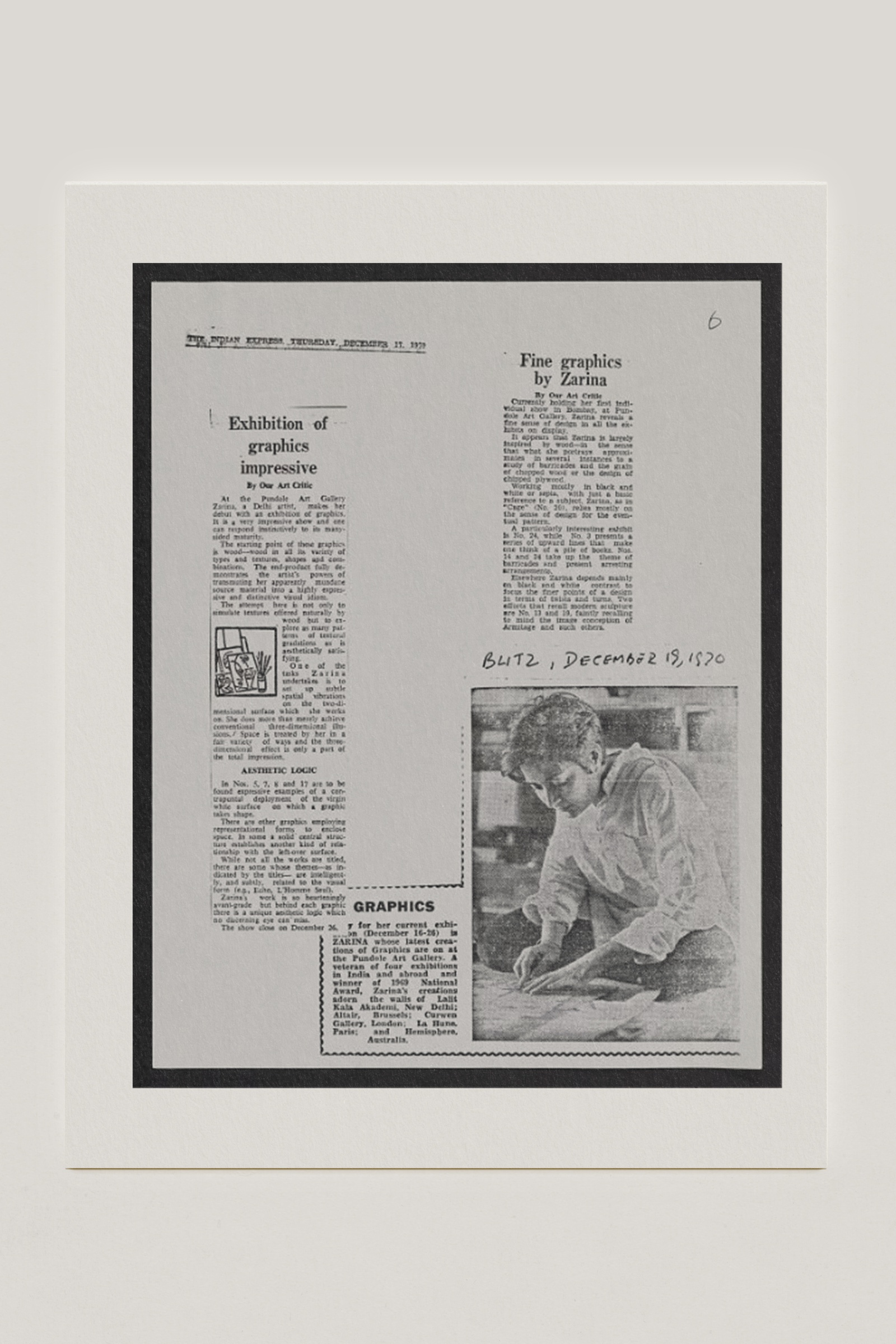
Zarina Hashmi papers, 1950-2015 | Archives of American Art, Smithsonian Institution
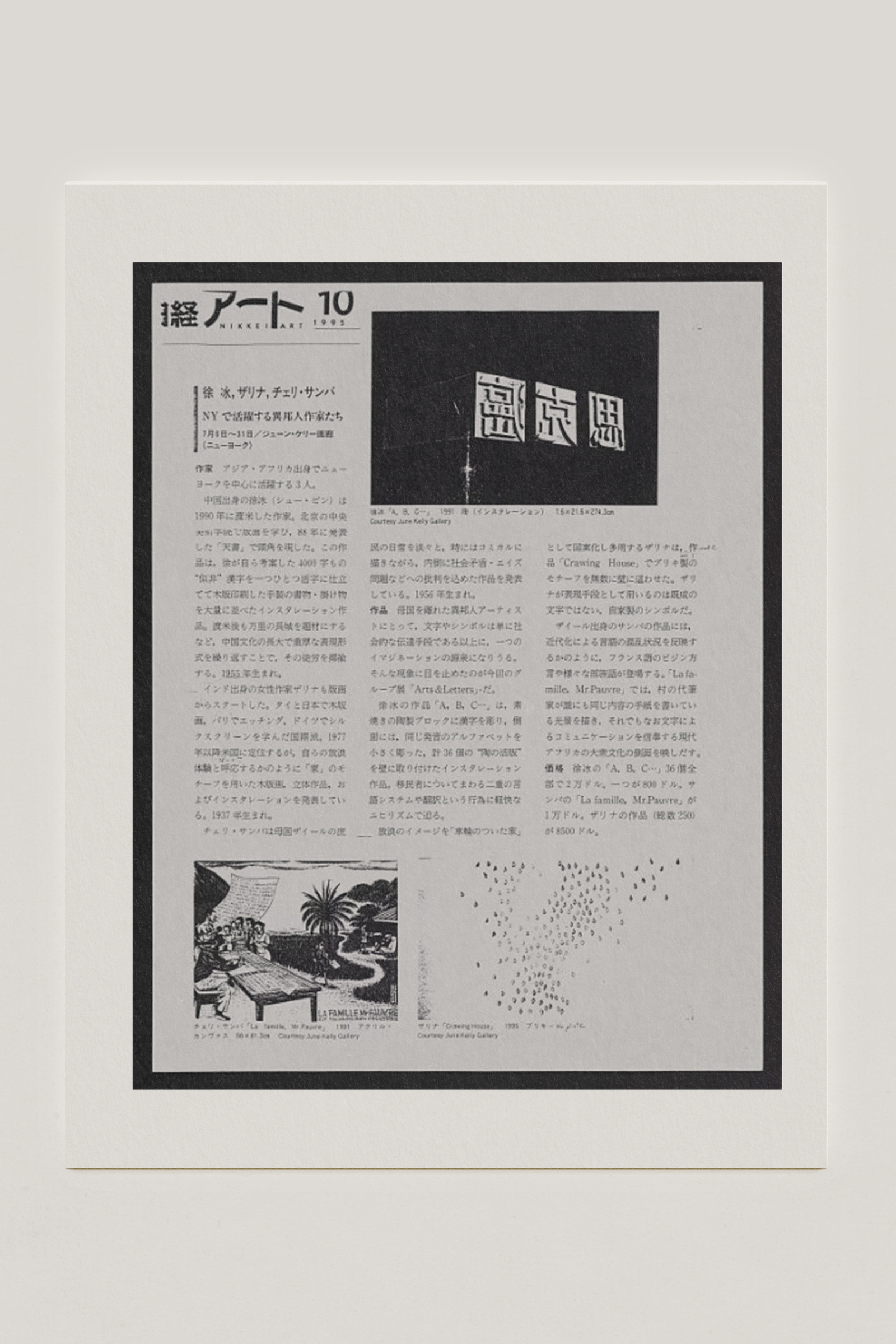
Zarina Hashmi papers, 1950-2015 | Archives of American Art, Smithsonian Institution
The title for this collection comes from Zarina’s 1999 piece “Home is a Foreign Place:” 36 woodcut prints on handmade paper that pair Urdu words like “door,” “courtyard,” and “wall” with corresponding abstract imagery.
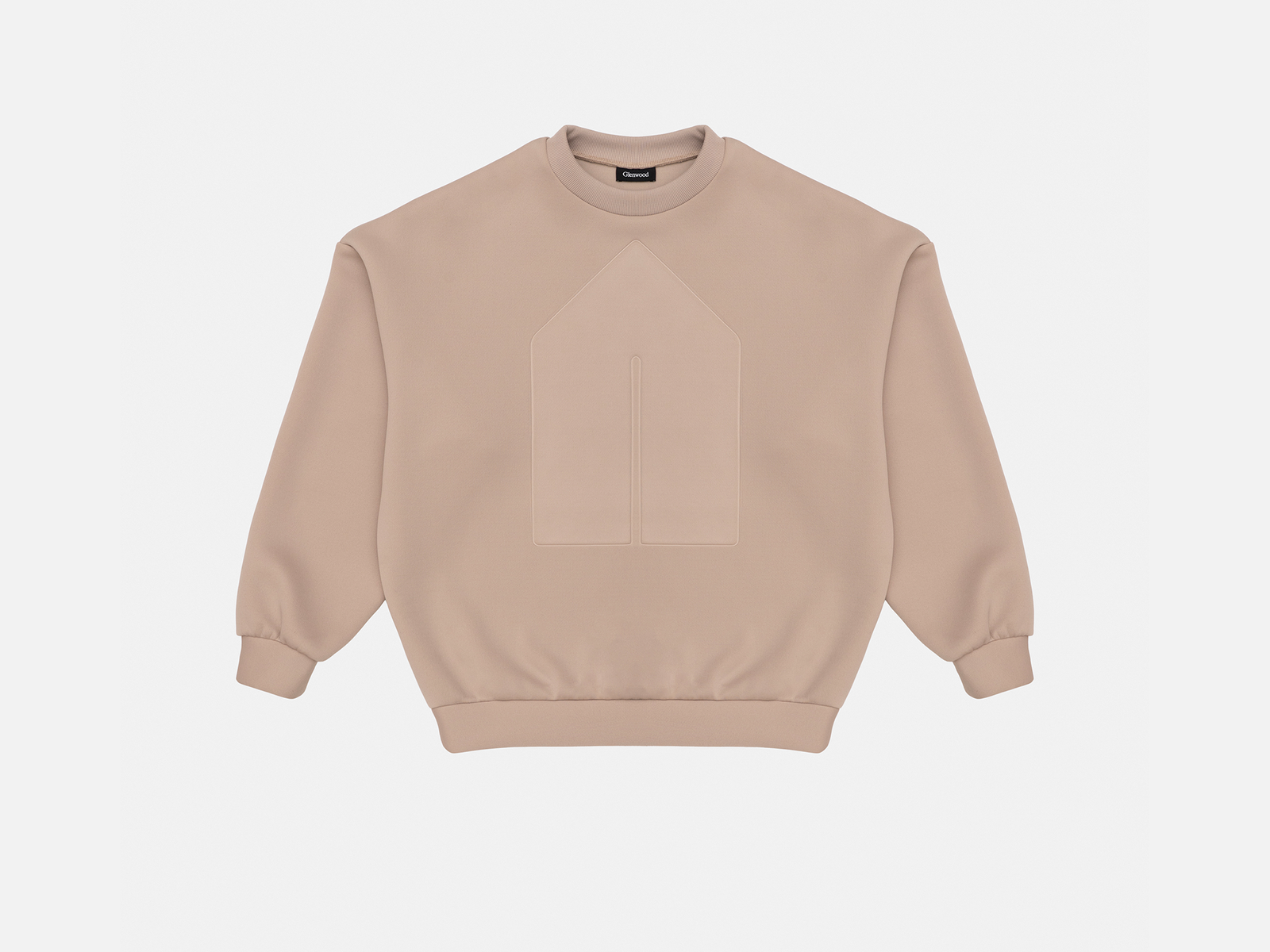
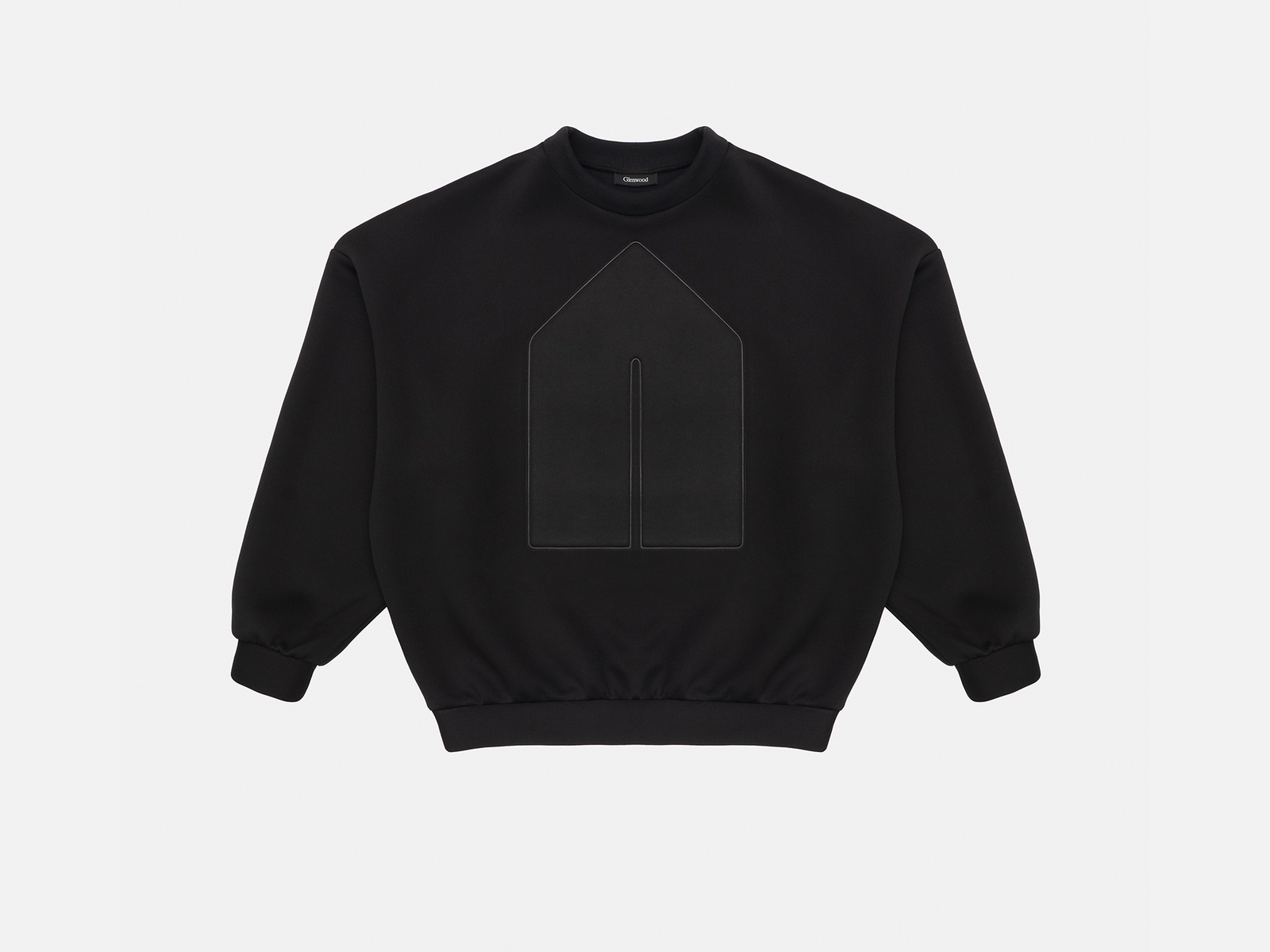
The home emblem on the front of the Signature Crewneck is also inspired by the recurring visual motif of homes in Zarina’s work, distinguished by the unique proportions of tall, narrow doorways.
The depth and humanity of Zarina’s own work is unmatched, but I hope her influence in my own contribution to culture – however small – is an honorable addition.
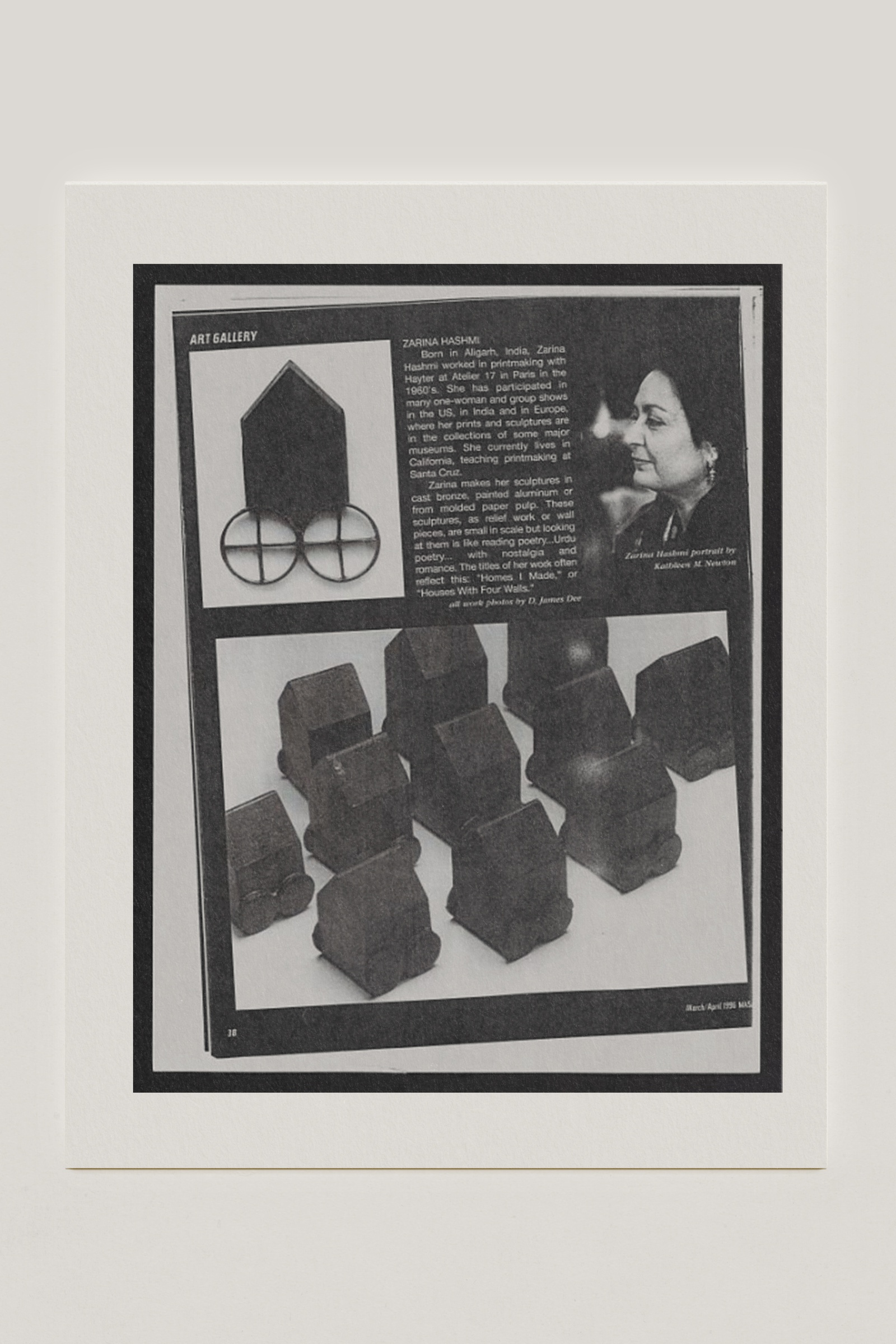
Zarina Hashmi papers, 1950-2015 | Archives of American Art, Smithsonian Institution
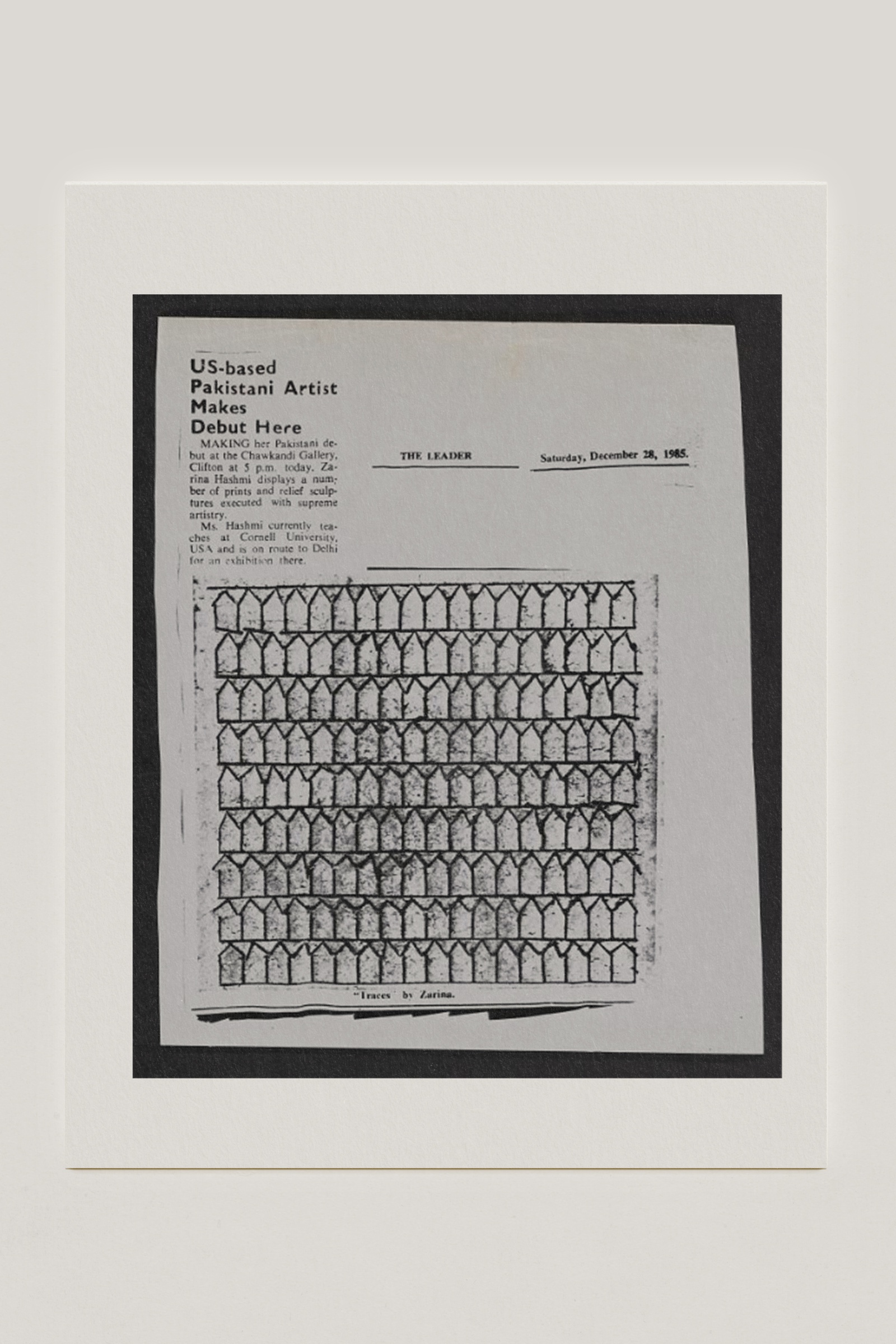
Zarina Hashmi papers, 1950-2015 | Archives of American Art, Smithsonian Institution
Garment and Design
The crewneck was a natural choice for the collection because of how inherently adaptable it is as a second layer: it can be taken on and off throughout the day, it can be dressed up or down, and it can be worn on its own or layered. It enables code switching.
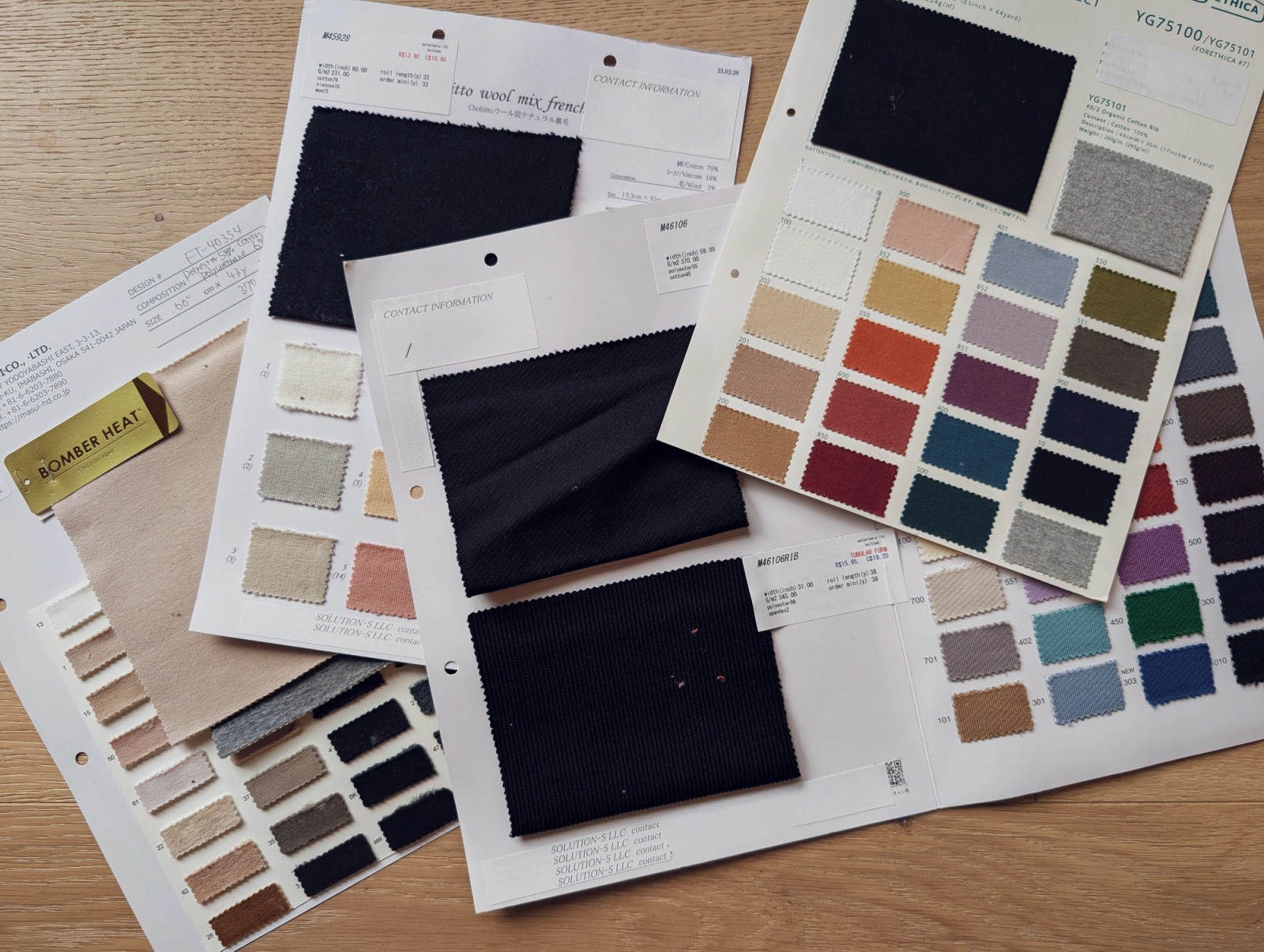
Early in the process I received the advice, "if you don't like your fabric, you won't like anything else." I only sourced fabric from Japan, and made my final selection on quality over price.
Every design decision – from the silhouette to the oversized emboss to the tonal embroidery – was made from the perspective of designing a “staple, not a statement.”
Campaign and Direction
Before I had the garments in hand, taglines finalized, team assembled, or location secured, I was focused on developing the core emotional driver of the campaign: music. Licensing was out of the question because it would be too expensive, and I felt using stock music would not only dilute quality but also be a disservice to the depth of the concept.
So I commissioned three original tracks which served as the foundation of the campaign and guided every subsequent creative decision. And, as the only tangible piece of the campaign prior to shooting, was critical in effectively communicating the vision to my earliest collaborators.
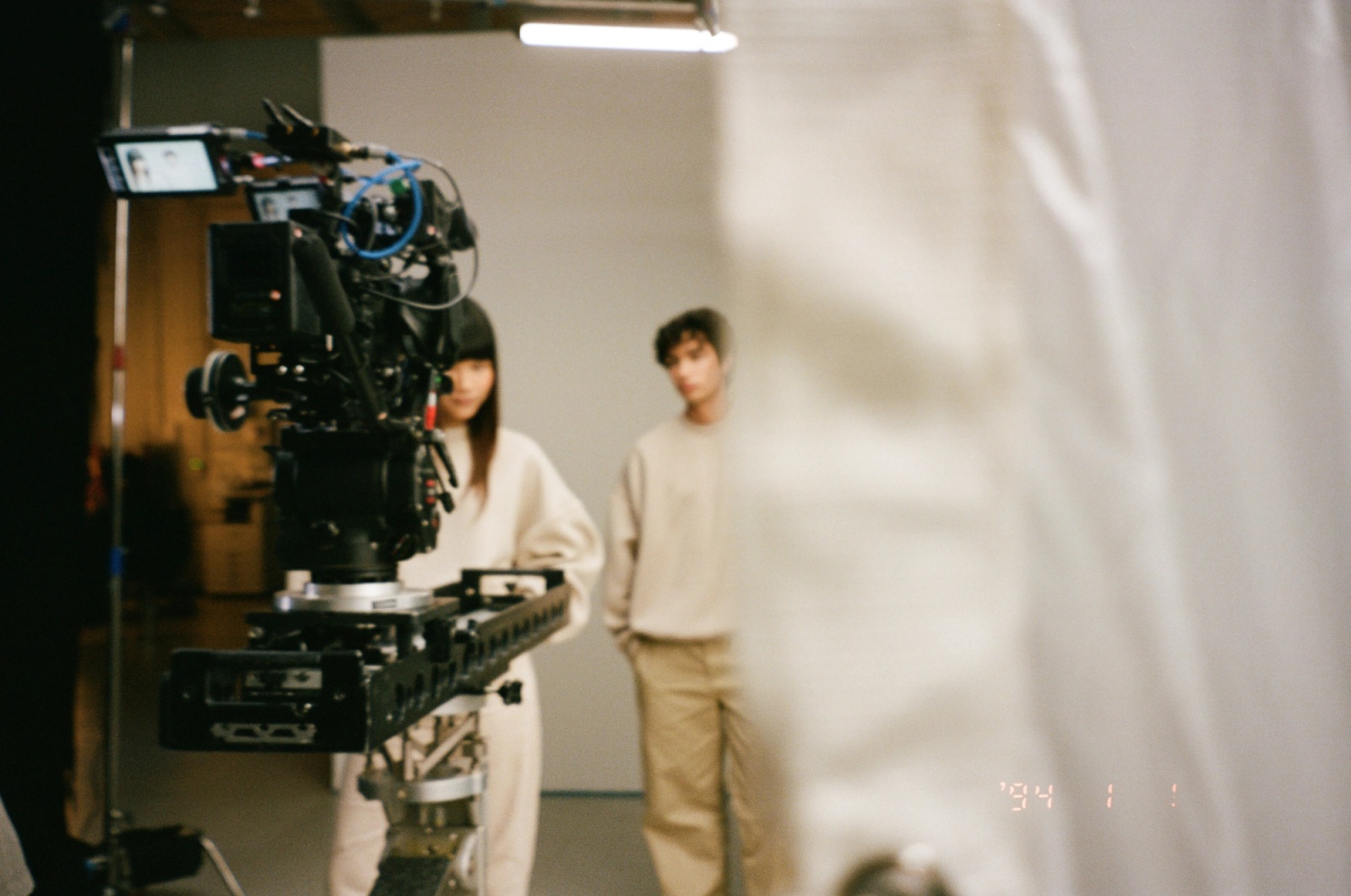
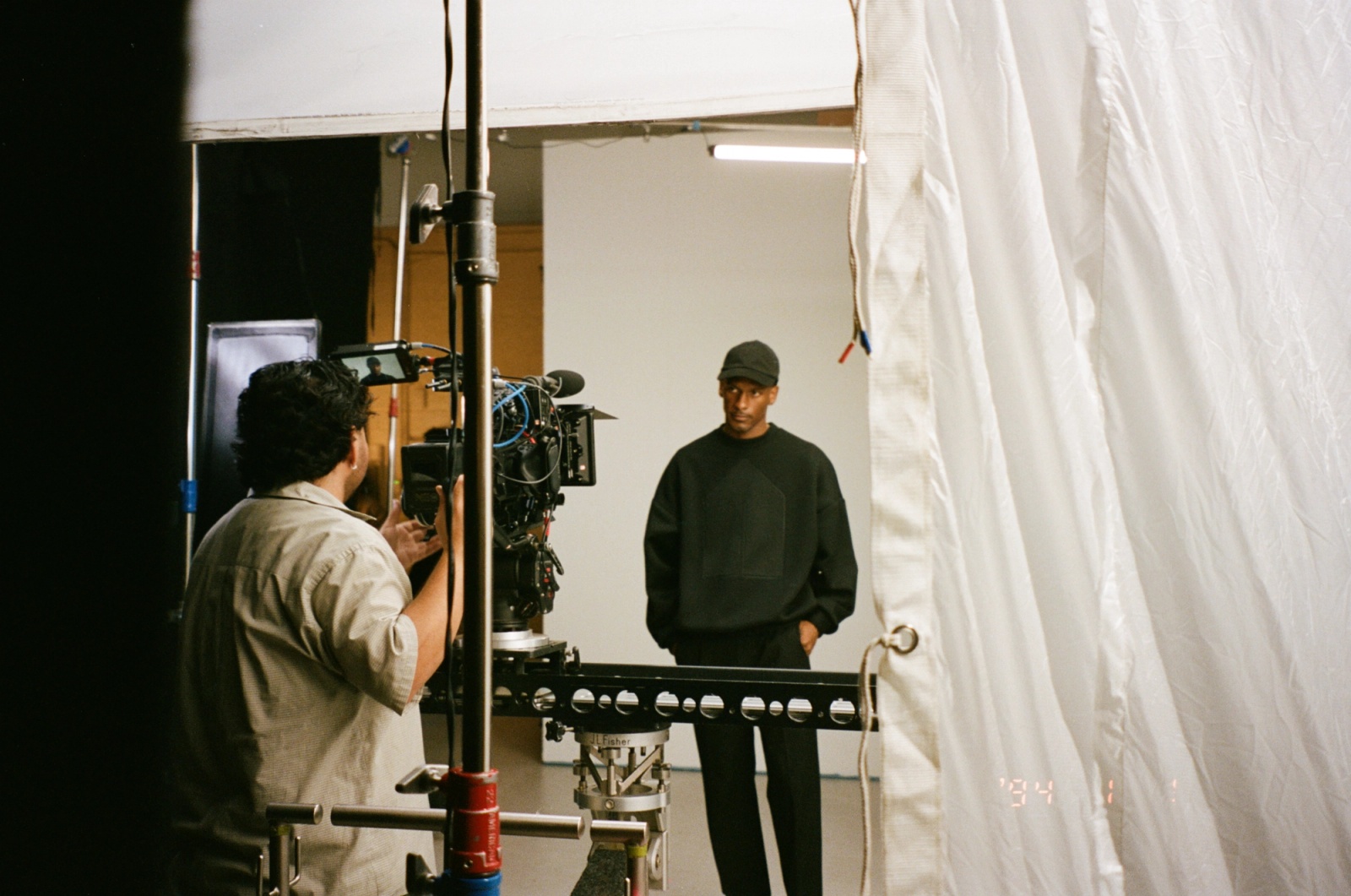
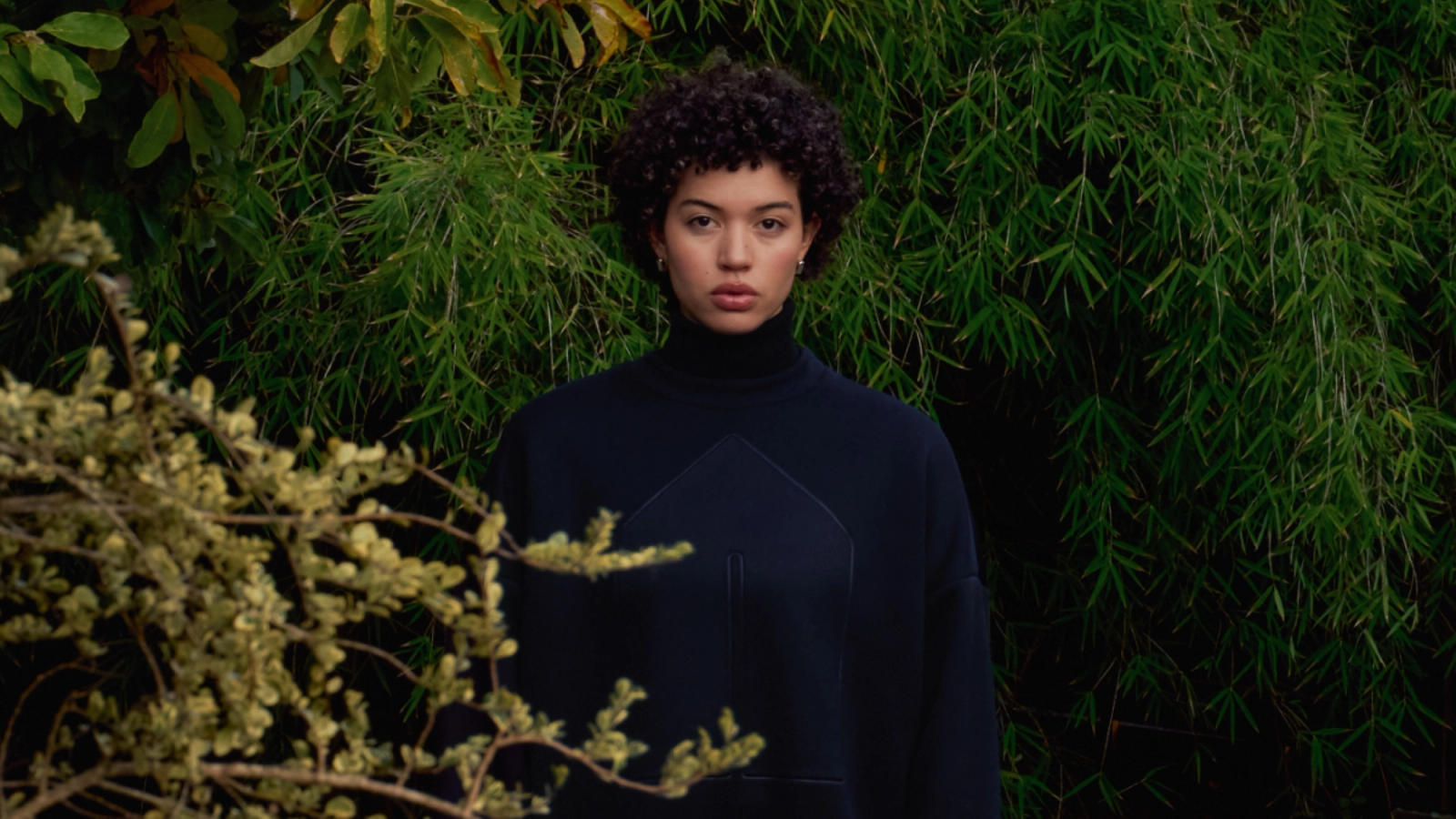
The story of the campaign centers around the pairing of two prophets (the insiders looking out, wearing black) with two aliens (the outsiders looking in, wearing taupe). The inside/outside metaphor is expressed through the consistent use of windows, doorways, and foreground/background placement.
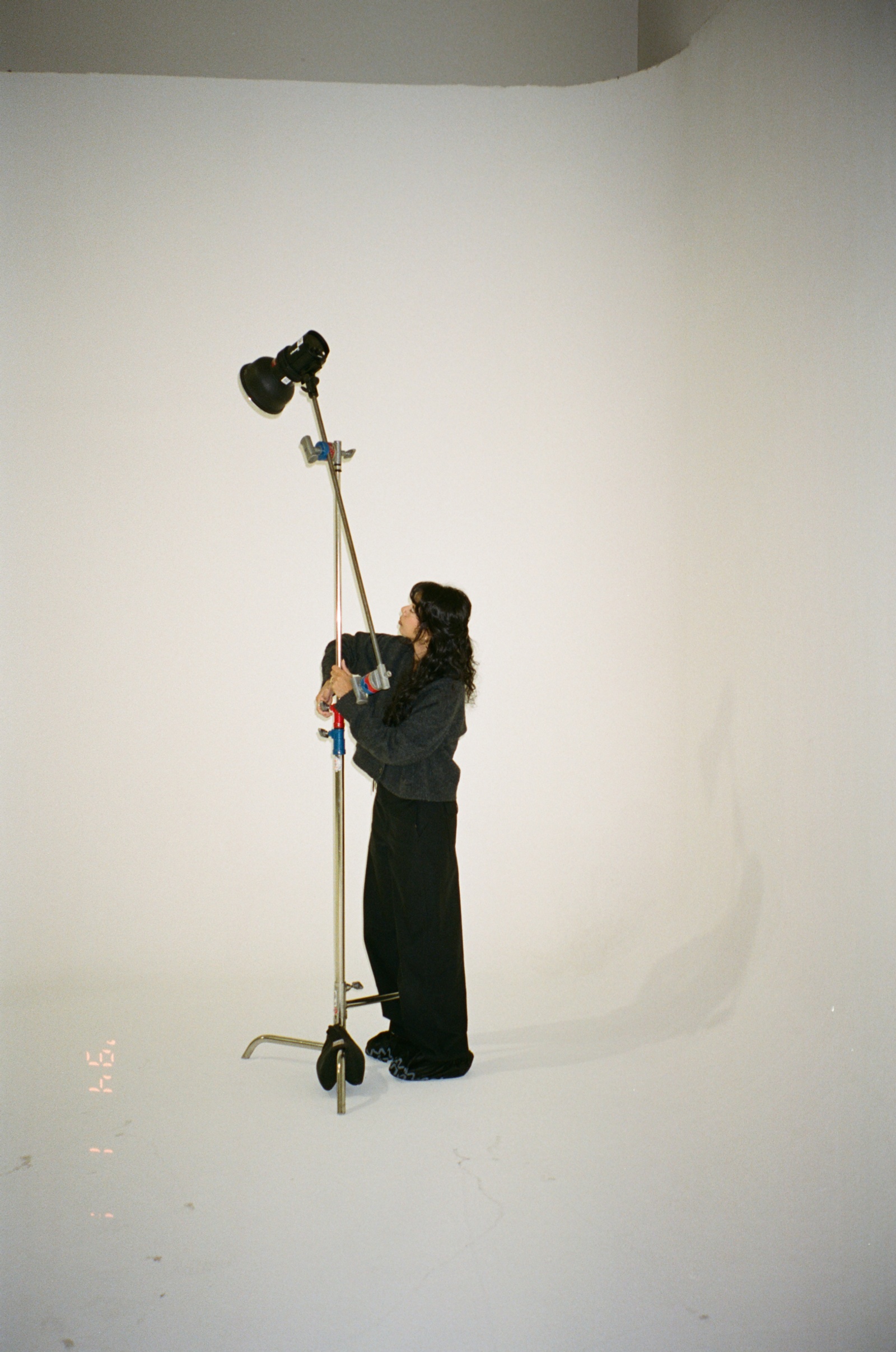
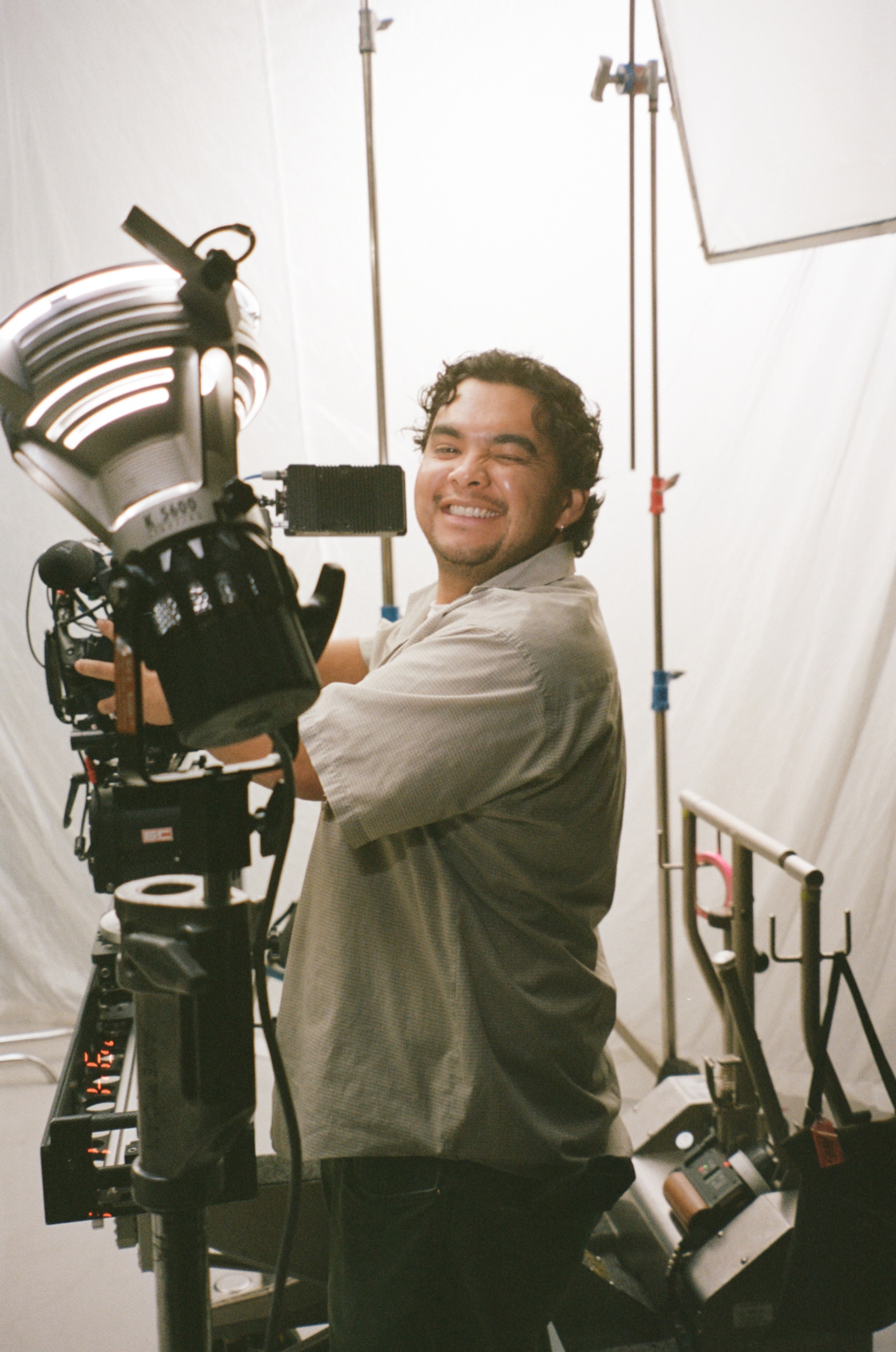
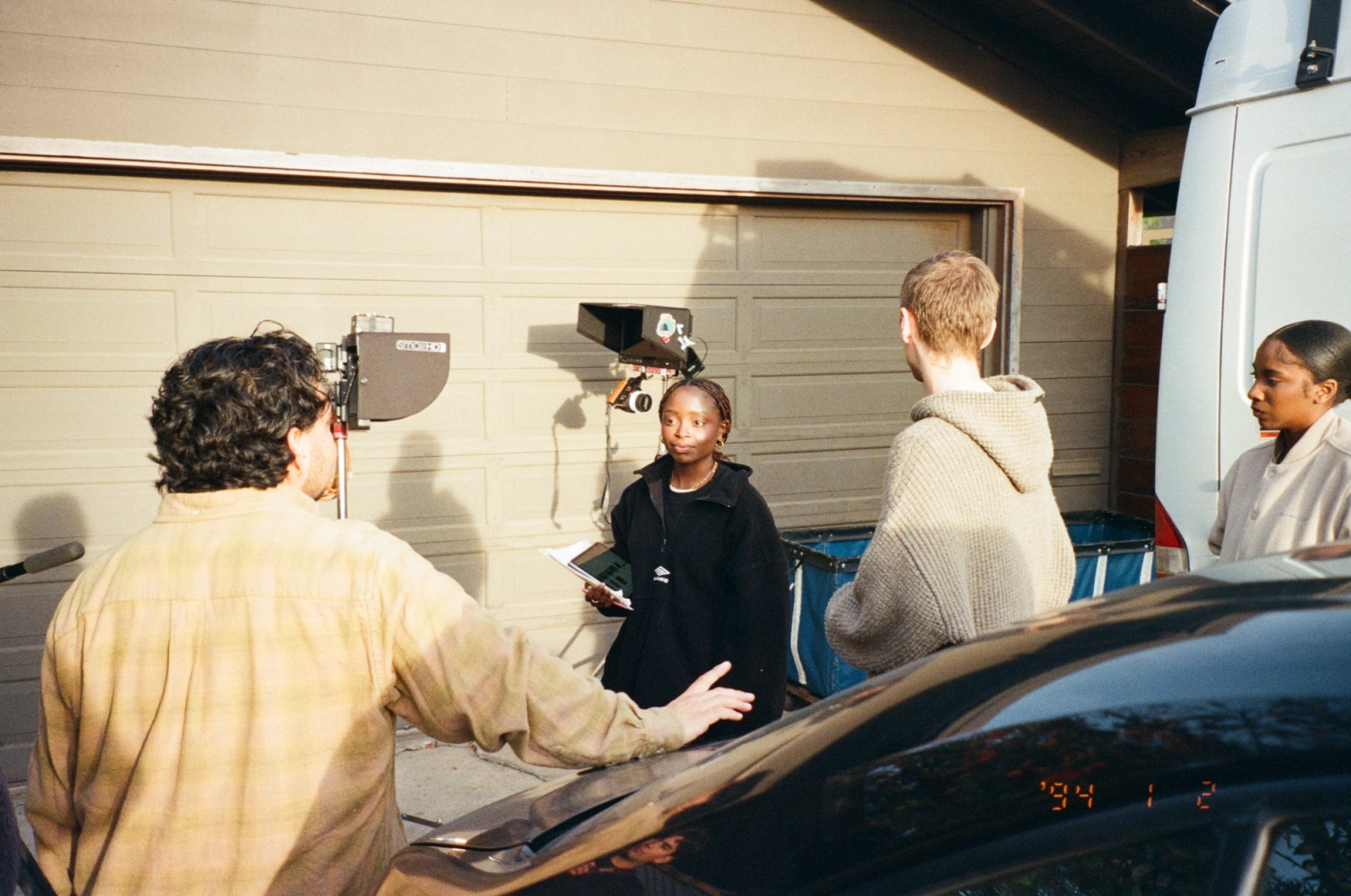
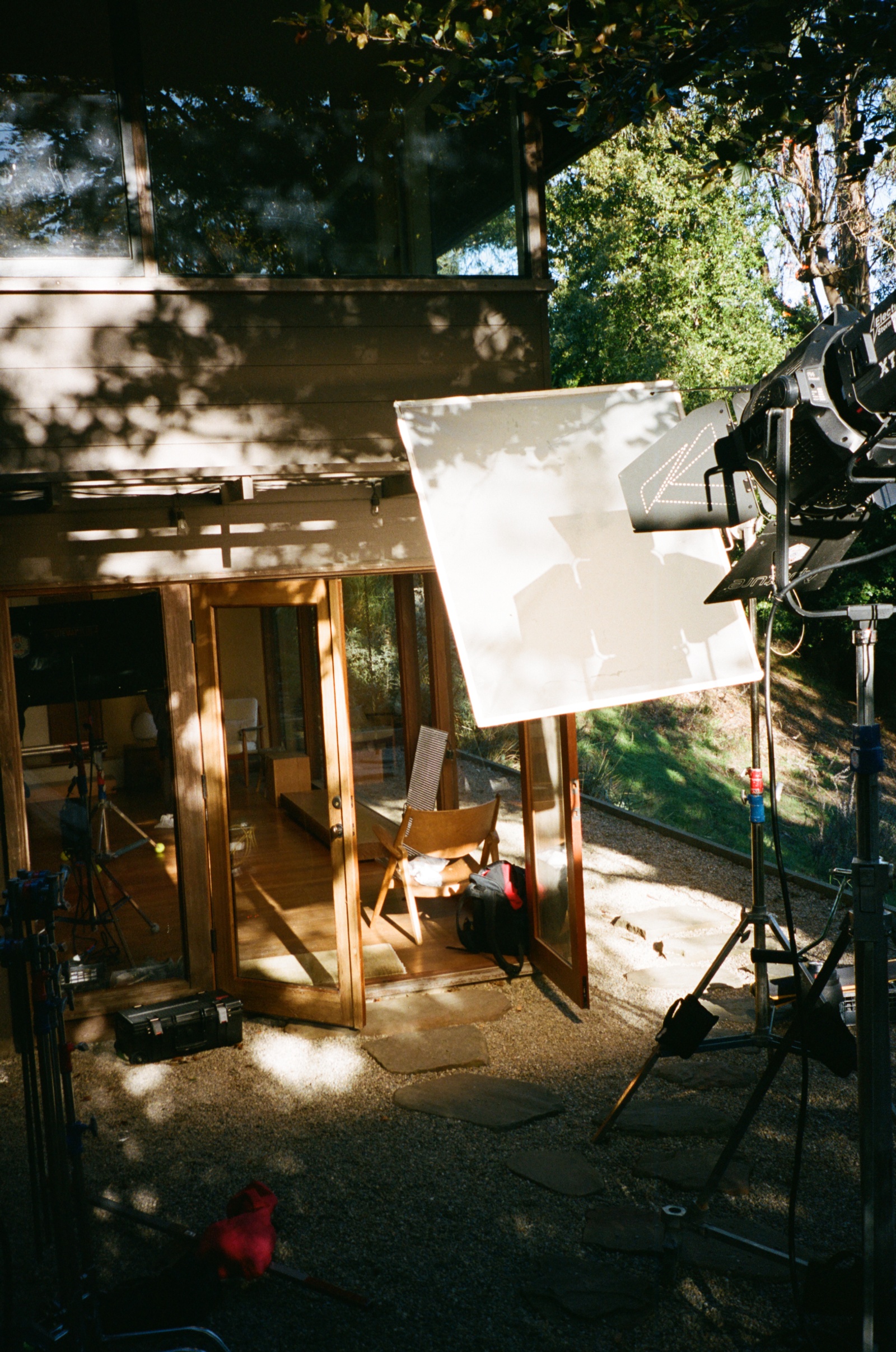
To build the world of a “foreign home” – a setting that feels familiar but unlocatable – we kept shots tight and opted for slower, intentional movements. We shot everything in Oakland and Berkeley over the course of two packed days and a lean crew.
Credits
Feelings are made from stories and people. I’ve shared, at length, about the story of Home is a Foreign Place (and about myself).
But I couldn’t have done this without the many people who believed in the vision and came alongside me to bring it to life. Every single person in this list was handpicked, and I hope they are proud to have their names listed here.
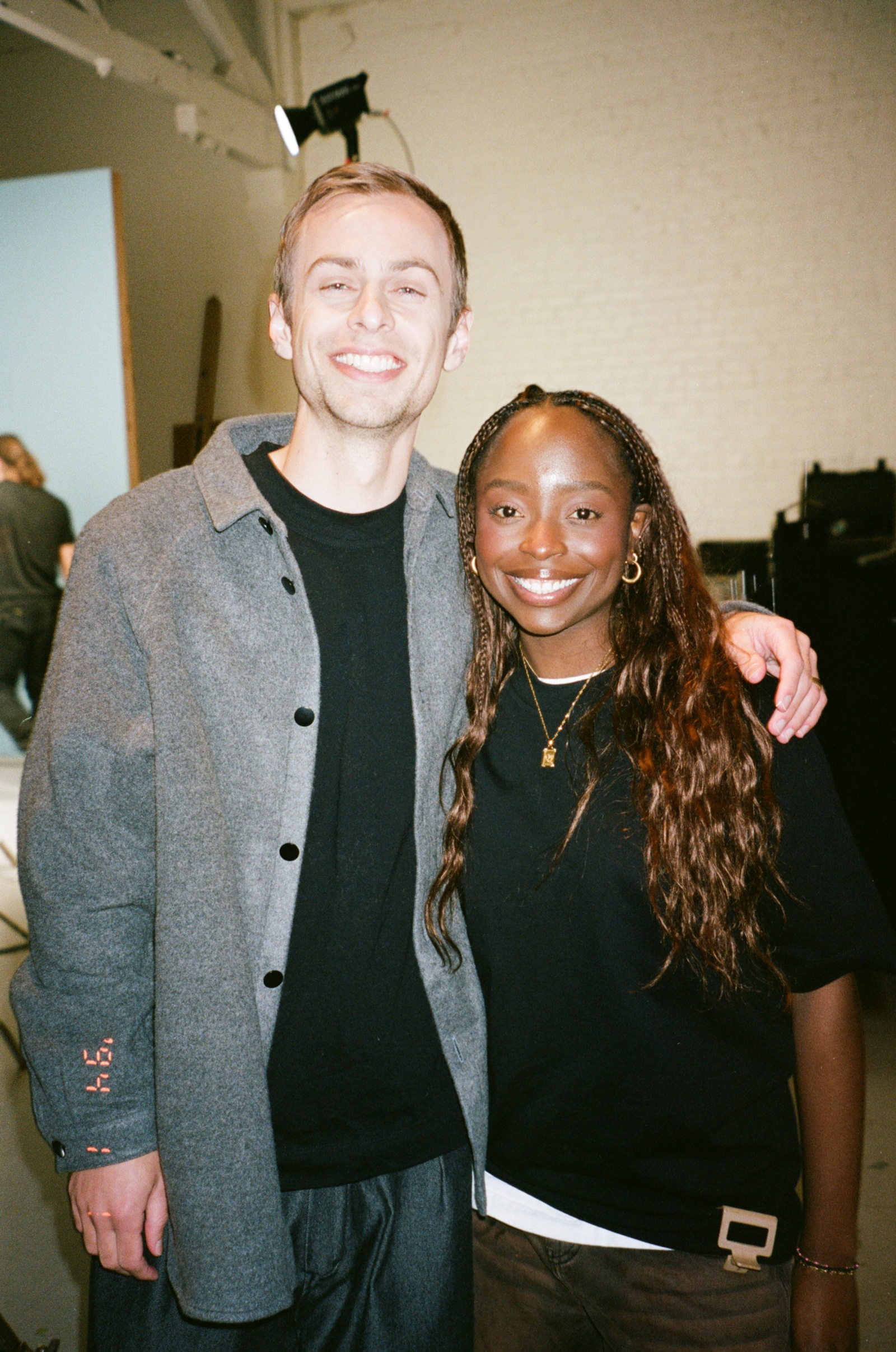
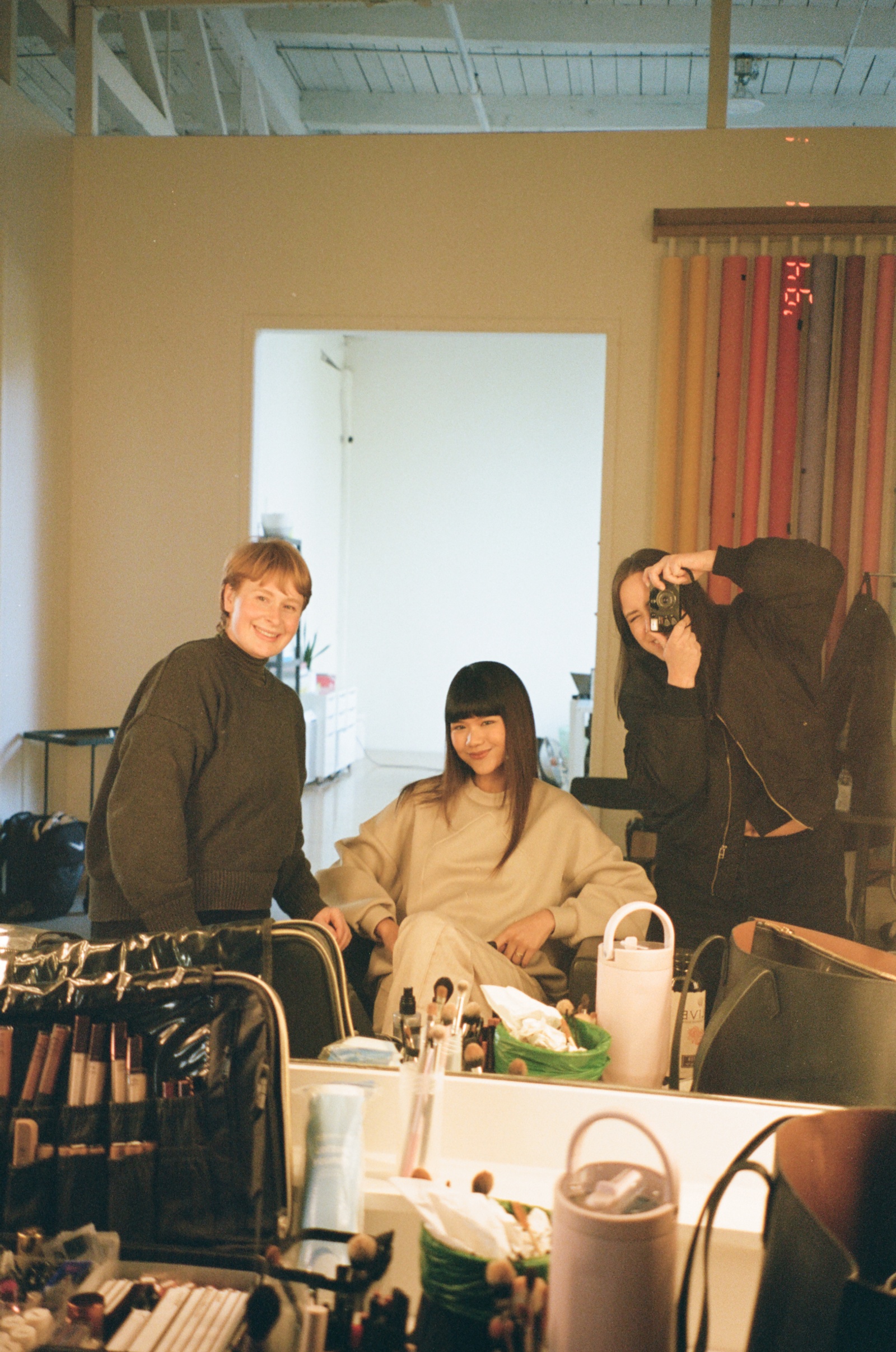
BTS
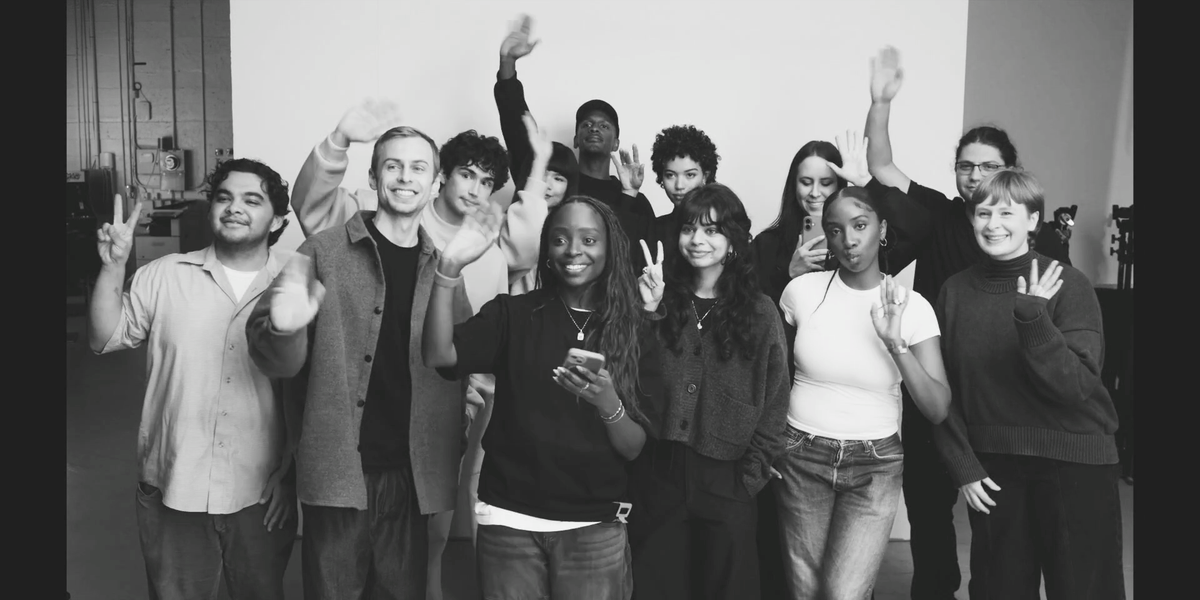
Day 1 Wrap
Creative Staff
※
Sheilby Macena – Lead Producer & Assistant Director
Joshua Pausanos – Cinematographer
Simrah Farrukh – Photographer
Yael Miranda – Stylist
Audra Langley – Hairstylist & MUA
Mario Angel Hernandez – 1st AC
Gilad Meiri – Gaffer/Light Tech
Gretchen Robards – Production Assistant and BTS Film Stills
※
NorthGarden – Site Development
Leigh Patterson – Words & Strategy
Uzo Mgbahurike – Interviews & Strategy
Sheena Bascara – Marketing
※
Noah Pope – Original Music
Mac House – Film Post Production
Eddy Street – Film Post Production
Erin Danielle Walker – Post Producer
Matt Canon – Editor
Roy Sun – Color
Bentley Hazelwood – Sound
※
Noel Sigua – Product Photographer
Peyton Fulford – Stills Post-Production
Sheilby Macena – Stills Post-Production
Simon Walker – Custom Lettering
TALENT
Johnny Clay Jr. – Prophet 1
Jules Williams – Prophet 2
Michelle Busy – Alien 1
Jake Johnson – Alien 2